
Professional Boat Removal Services in Wyoming, MI

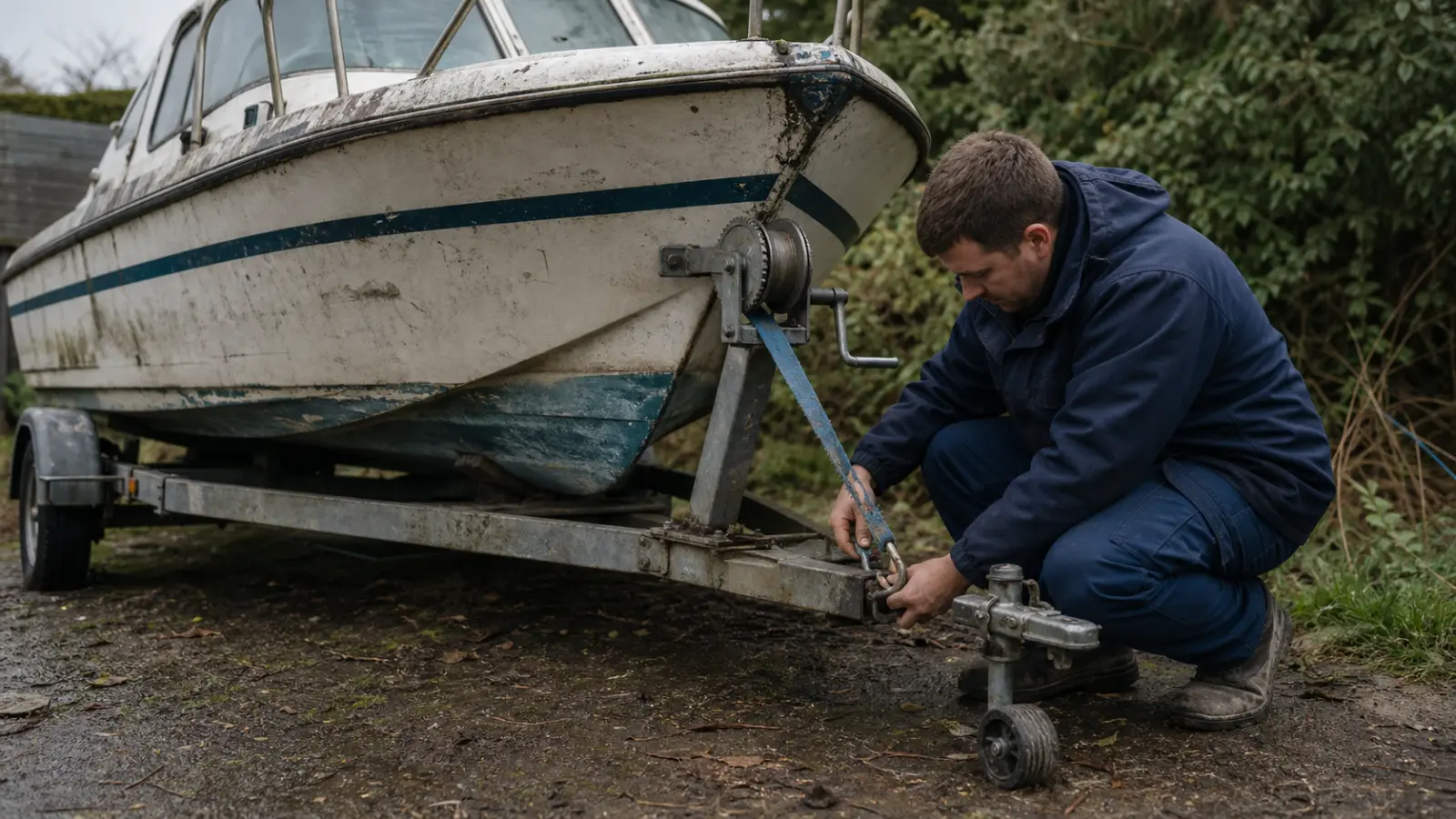
A fiberglass hull sits behind a garage on flat tires that have sank deep into the Michigan soil over six seasons of neglect. A local marina sends a notice about an overdue slip fee for a vessel that has not turned an engine in years. A residential property is transferred to a new owner with a heavy cabin cruiser still parked on the side lawn. An outboard motor seizes up completely, and quotes for a complete mechanical rebuild quickly exceed the actual market value of the vessel itself. These situations leave property owners stuck with an unwanted junk boat that takes up valuable driveway space, creates an eyesore, and attracts unwanted pests or municipal code violations.

Is there professional boat removal near me in Wyoming, MI? Boat Removal Experts provides complete removal services throughout the city, managing the loading, transport, and site cleanup so you do not have to handle a heavy vessel yourself.

Our team handles the paperwork by issuing a formal release of liability to the owner upon taking possession of the vessel. We do not always transfer the physical title of every vessel we pick up, but we always ensure that the legal release of liability is properly documented. Some illegal hauling operations will tow a craft away with zero official documentation, leaving the original owner legally responsible if the vessel is later abandoned on public property. Asking for signed documentation before any haul begins protects you from unexpected fines down the road.

Extracting a vessel is rarely as simple as hooking a truck to a bumper. A trailer tongue may be rusted through, wheel bearings might be completely frozen, or a wide beam might be blocked by tight side yards, low trees, and narrow gates. When a heavy hull sits on soft dirt or wooden blocks, standard towing trucks cannot cross the yard without sinking or ripping up the ground.

Call 616-344-4882 to start.

Send photos through the contact form.

What Is Boat Removal and When You Need It

Professional boat disposal goes far beyond simply hooking a trailer to a hitch and driving down the road. When a vessel is left behind after a property sale, abandoned on commercial land, or stored in a slip with unpaid bills, getting rid of a boat requires assessing structural integrity, legal standing, and site access. An abandoned boat left on private real estate or commercial property creates an immediate burden for the land manager, who must clear the lot to avoid zoning penalties or lost space. If an owner holds a clean title in hand, the transport process moves forward smoothly. However, when paperwork is missing, lost over decades, or completely absent due to a real estate acquisition, legal documentation must be sorted before transport crews move the vessel.
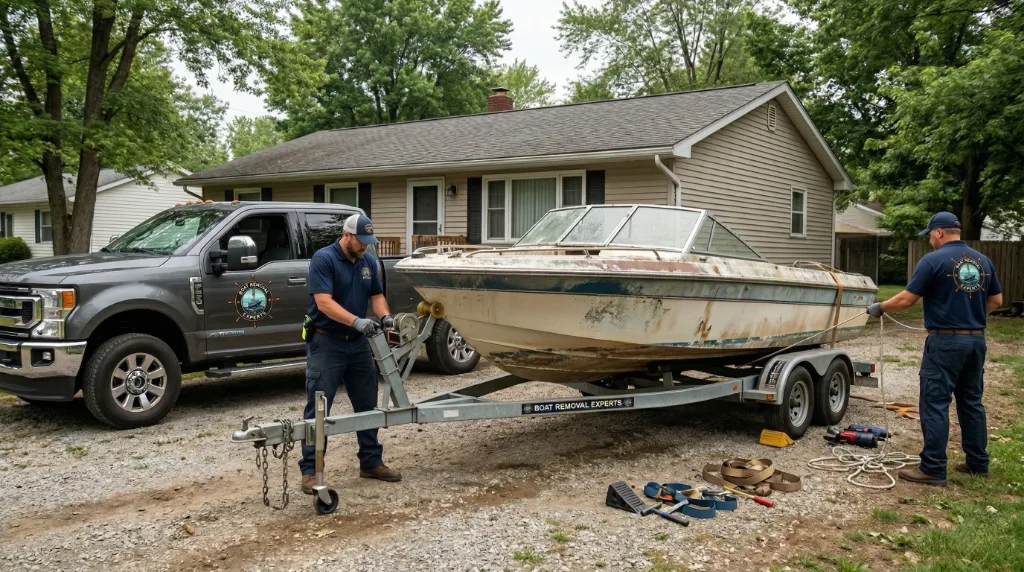
The overall outcome of an abandoned boat removal project is directly affected by the physical condition of the vessel and the clarity of ownership documentation. Hulls stored on blocks, rotted cradles, or sunken trailers require specialized lifting setups compared to intact units resting on road-ready tires. Whether a vessel sits in a private driveway in Cutlerville or a residential backyard in Grandville, transport crews must evaluate structural stress points before lifting to prevent a derelict hull from snapping or spilling debris across the recovery site.
When Wyoming Residents Call Us

Sitting outside through changing seasons in Kent County inflicts severe damage on an unmaintained vessel. Trapped rainwater freezes solid inside water lines, engine blocks, and hidden fiberglass floor frames, expanding to crack inner hulls and structural floors. Prolonged exposure to sun, snow, and rain breaks down gelcoat finishes, rotted plywood decks, and destroys interior upholstery, causing soft spots where a person could easily step through the floor. Waterlogged foam insulation adds hundreds of pounds of hidden weight to a hull, making an old boat much heavier than its original factory specifications indicate when recovery crews arrive on site.
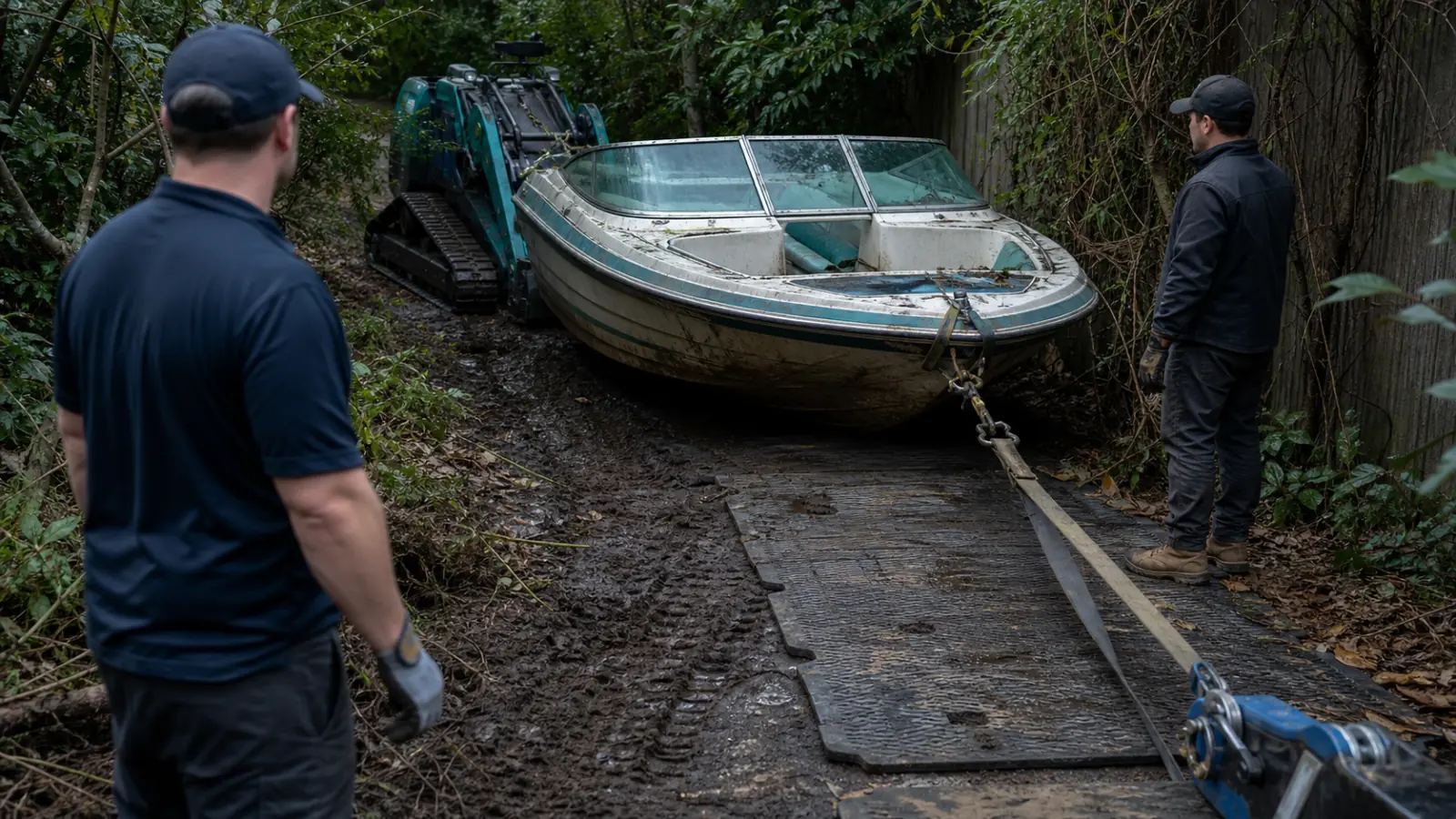
Local access points heavily dictate the equipment needed to pull a fishing boat, pontoon, or sailboat out of its resting place. A pontoon sitting on tight lawn space behind a home in Byron Center presents different clearance challenges than a deep-draft sailboat stored near Kentwood. Narrow residential driveways, overhead power lines, low tree branches, and soft soil surfaces dictate how heavy transport trucks approach the craft. If a hull sits on blocks, buried in mud, or floating at a dock rather than sitting on a rolling trailer, crews adapt their rigging methods to lift the structure cleanly without tearing down property fences or damaging surrounding landscapes.
Every Type of Boat We Handle

Situations We Handle

Need Help? We’re Ready.

Contact boat removers directly or request free quotes. We dispatch crews fast.

Our Step-by-Step Process

Assessment

We evaluate the boat’s size, current location, condition, and any environmental or access challenges before we schedule boat removal.

Planning

A detailed plan is built around your vessel — equipment, logistics, timeline, and safety. Services include drainage of oil and fuel before transport.

Execution

Our experienced crew mobilizes to your current location and we tow, haul, or dismantle the vessel using professional marine equipment.

Completion

The vessel is recovered, recycled, or routed to certified boat junkyards for environmentally responsible disposal. The site is left clean.

Equipment & Capabilities

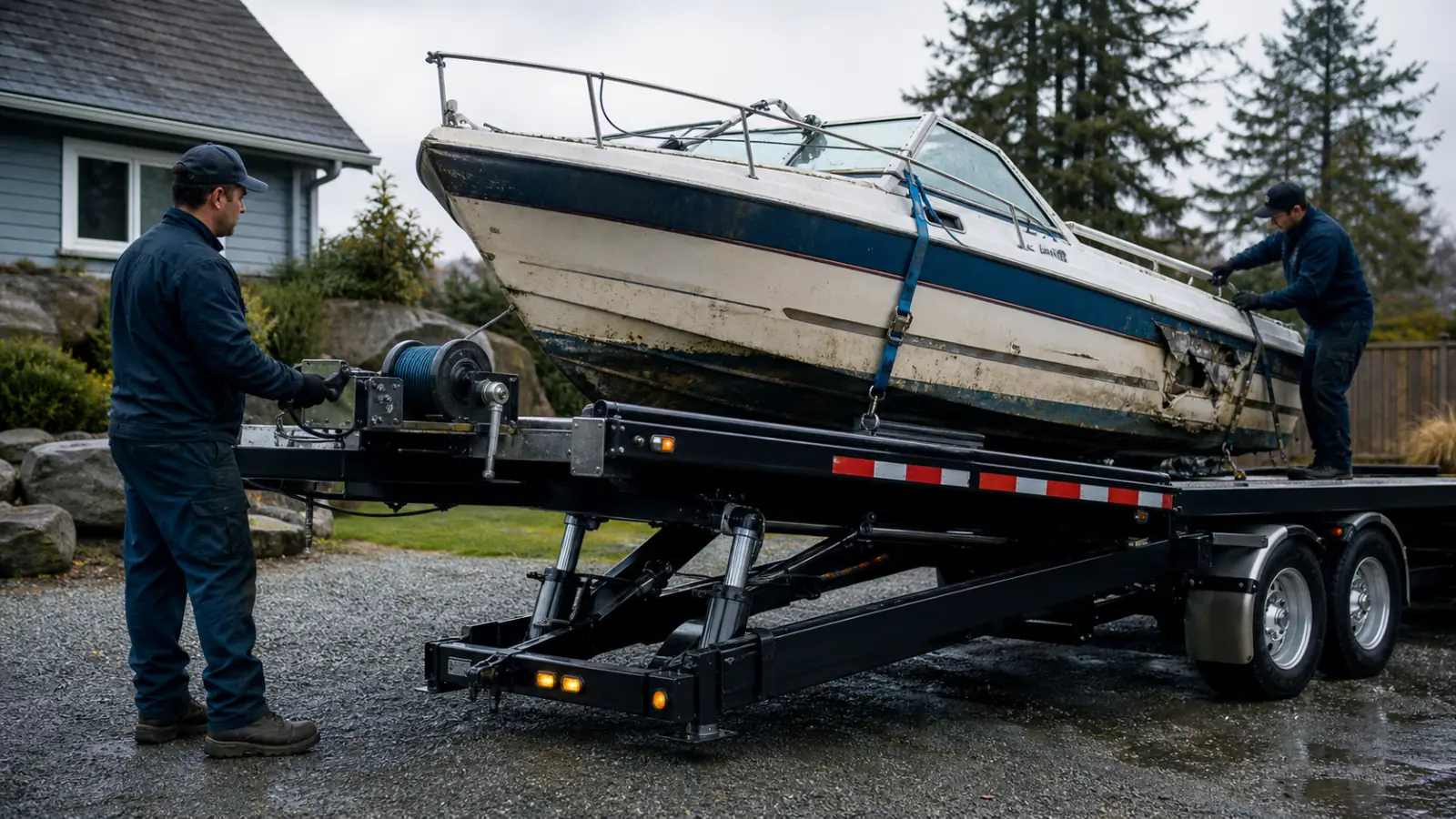
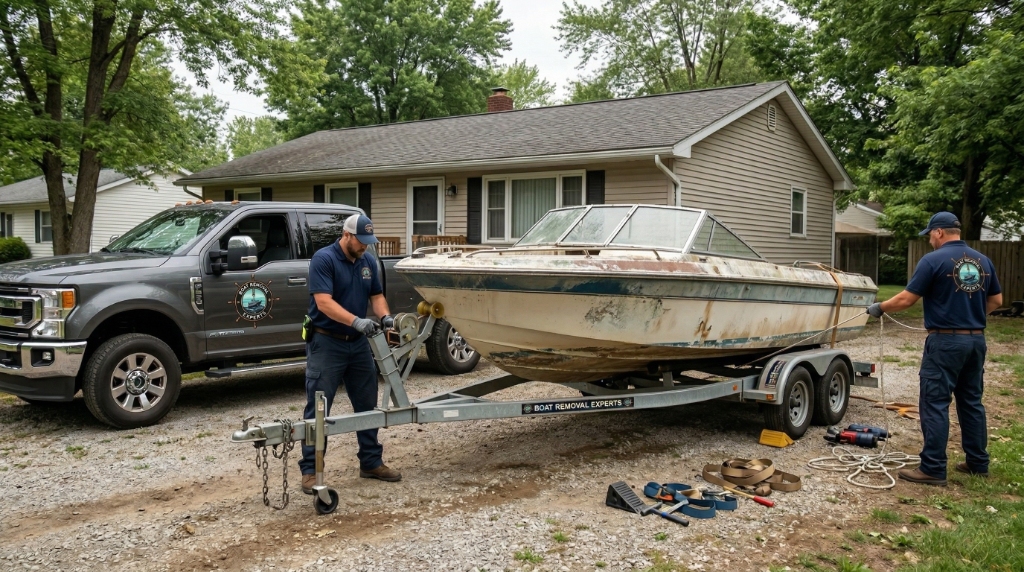
When a trailer is entirely unroadworthy, tires are dry-rotted, or structural axles have snapped, specialized winches, heavy-duty flatbed trailers, hydraulic dollies, and crane lifts are deployed to load the vessel safely. If a wide cabin cruiser or tall vessel cannot clear gates, low bridges, or overhead lines, crews must dismantle upper decks, windshields, arches, or T-tops directly on site. Before any hull moves an inch, all hazardous materials are systematically stripped and drained. Fuel tanks, engine oil, hydraulic fluids, crankcase liquids, marine batteries, and electronics are safely extracted to prevent environmental contamination during transport.

Once hazardous fluids are drained and the craft is safely secured on the flatbed, destination decisions are determined by hull material, structural condition, and local facility receiving rules. Metal hulls, aluminum frames, and steel fittings are directed toward metal recycling processing, while ruined fiberglass, rotted wood, and contaminated composites are transported to approved landfill facilities for proper environmental containment. The overall salvage, recycling, or disposal pathway is determined strictly after our crew inspects the physical vessel in person, evaluating its weight, material breakdown, and structural safety.

Our boat removal experience covers everything from start to finish  assessment, planning, execution, dismantling, and final cleanup. Marina operators and property owners across Kent County trust us to get rid of your junk boat without damage to surrounding property.

FAQ

Boat Removal Questions - Frequently Asked

Common questions from property owners about our junk removal service, dismantling, and marine recovery.

We handle every type of vessel — sailboat, pontoon, fishing boats, jon boats, yachts, and commercial craft. Whether your boat or sailboat floats (or used to), we’ll remove it from any current location.

Yes. Sunken and partially submerged vessel recovery is a core part of our salvage work in Kent County. We use lift bags, salvage pumps, and marine cranes to safely raise vessels from underwater.

We respond to inquiries quickly — usually within hours, with same-day service available. For emergency situations, we mobilize as fast as possible. Call us directly for time-sensitive jobs.

No. Every job is handled in-house by our own team and equipment. No middlemen, no handoffs, no surprises.

Cost depends on the boat’s size, current location, condition, and complexity of the job. We provide free assessments and free quotes for every case — contact us and we’ll give you an honest estimate.

Yes. Our boat removal and disposal services include hazardous materials handling, oil and fuel drainage, hull dismantling, and recycling at certified yards — all in compliance with environmental regulations and environmentally responsible standards.

Absolutely. We regularly work in tight marinas, shallow waterways, private docks, backyards, and remote areas. We bring the right gear to reach any current location.

Yes. We frequently work with insurance adjusters on salvage and recovery claims and provide the documentation needed for your claim.

Browse Our Services - Ready to Get Started?

We handle everything from start to finish. Call us now or request a free quote – we’ll dispatch crews and haul your vessel away fast.